
Introduction: From Trend-Based to Mechanism-Driven Longevity
The European nutraceutical market is undergoing a structural shift. Longevity is no longer positioned as a trend driven by consumer aspiration alone—it is increasingly defined by mechanistic science, regulatory clarity, and formulation precision. For B2B brands operating in the EU, success in this space requires more than ingredient inclusion; it demands a deep understanding of the biological pathways that underpin aging.
Among these pathways, oxidative stress remains one of the most extensively studied and commercially relevant mechanisms. It provides a direct link between cellular biology, environmental exposure, and long-term physiological decline. At the same time, it offers a scientifically grounded framework for designing formulations that align with European Food Safety Authority (EFSA) requirements.
Importantly, antioxidants can no longer be framed simply as “free radical scavengers.” Modern longevity formulations are built around redox balance, signaling modulation, and system-level resilience. This shift is particularly relevant for European brands, where regulatory constraints limit direct anti-aging claims and emphasize function-based positioning.
This article explores the mechanism of oxidative stress, its role in aging, and how advanced antioxidant strategies—particularly polyphenol-based systems—can be applied to develop EU-compliant, high-performance longevity formulations.

Understanding Oxidative Stress: A Mechanistic Overview
Oxidative stress arises when there is an imbalance between the production of reactive oxygen species (ROS) and the body’s ability to neutralize them through antioxidant defenses. While ROS are often perceived as purely harmful, they also play essential roles in cellular signaling and homeostasis. The issue emerges when ROS levels exceed physiological thresholds, leading to cumulative cellular damage.
Sources of Reactive Oxygen Species
ROS are generated through several biological processes, with mitochondrial respiration being the primary source. During ATP production, electrons may leak from the electron transport chain, leading to incomplete reduction of oxygen and the formation of superoxide radicals.
Additional sources include:
- NADPH oxidases (NOX enzymes) involved in immune responses
- Peroxisomal metabolism
- Environmental stressors, such as UV radiation, pollution, and toxins
- Inflammatory processes, which amplify ROS production
These diverse sources contribute to a dynamic redox environment that must be tightly regulated.
The Cascade of Oxidative Damage
Once ROS accumulate beyond the buffering capacity of endogenous systems, they initiate a cascade of molecular damage:
- Lipid peroxidation, compromising cell membrane integrity
- Protein oxidation, altering enzymatic structure and function
- DNA damage, including strand breaks and mutations
This damage is not isolated. Instead, it propagates through chain reactions, amplifying cellular dysfunction. Over time, these processes contribute to mitochondrial decline, chronic inflammation, and impaired metabolic regulation.
From a formulation standpoint, oxidative stress represents a multi-target pathway, requiring equally multi-dimensional intervention strategies.

Oxidative Stress and the Biology of Aging
Oxidative stress is closely linked to the broader framework of aging biology. The “hallmarks of aging,” as defined by López-Otín et al., include processes such as mitochondrial dysfunction, genomic instability, and cellular senescence—all of which are influenced by oxidative damage.
Mitochondrial Dysfunction and Energy Decline
Mitochondria are both a source and a target of ROS. Excessive oxidative stress impairs mitochondrial DNA and protein function, reducing energy production efficiency. This creates a self-reinforcing cycle, where impaired mitochondria generate even more ROS.
Telomere Shortening and Cellular Senescence
ROS-induced DNA damage accelerates telomere attrition, limiting the replicative capacity of cells. As cells enter senescence, they contribute to a pro-inflammatory environment known as the senescence-associated secretory phenotype (SASP).
Chronic Inflammation and Redox Imbalance
Oxidative stress and inflammation are tightly interconnected. ROS activate transcription factors such as NF-κB, which regulate inflammatory responses. Persistent activation leads to chronic low-grade inflammation, a hallmark of aging often referred to as “inflammaging.”
For B2B brands, oxidative stress offers a scientifically robust narrative that connects cellular mechanisms with consumer-relevant outcomes such as vitality, metabolic health, and healthy aging—without breaching regulatory boundaries.
Antioxidants Beyond Scavenging: A Systems-Level Perspective
Traditional views of antioxidants focus on their ability to neutralize free radicals. While this remains important, modern research highlights a more complex role involving cellular signaling and endogenous defense activation.
Endogenous Antioxidant Systems
The body’s primary defense against oxidative stress consists of enzymatic systems, including:
- Superoxide dismutase (SOD)
- Catalase
- Glutathione peroxidase (GPx)
These enzymes operate in a coordinated network to convert reactive species into less harmful molecules. Supporting these systems is a key objective in longevity formulations.
Redox Signaling and Regulatory Pathways
Antioxidants also influence cellular signaling pathways:
- Nrf2 (Nuclear factor erythroid 2–related factor 2) regulates the expression of antioxidant and detoxification enzymes
- NF-κB (Nuclear factor kappa B) controls inflammatory responses
Rather than simply eliminating ROS, effective antioxidant strategies aim to restore redox balance and optimize signaling pathways. This dual role is critical for achieving sustained physiological benefits.
Polyphenols as Multi-Target Antioxidants
Among antioxidant compounds, polyphenols stand out for their ability to act across multiple biological pathways. Unlike single-molecule antioxidants, polyphenols provide broad-spectrum activity, making them highly relevant for complex conditions such as aging.
Mechanisms of Action
Polyphenols contribute to redox balance through several mechanisms:
- Direct ROS scavenging
- Activation of Nrf2-mediated antioxidant pathways
- Inhibition of NF-κB-driven inflammation
- Support of mitochondrial function and energy metabolism
This multi-target functionality aligns with the need for systems-based formulation approaches in longevity products.
Grape Skin Extract: A Mechanism-Driven Ingredient
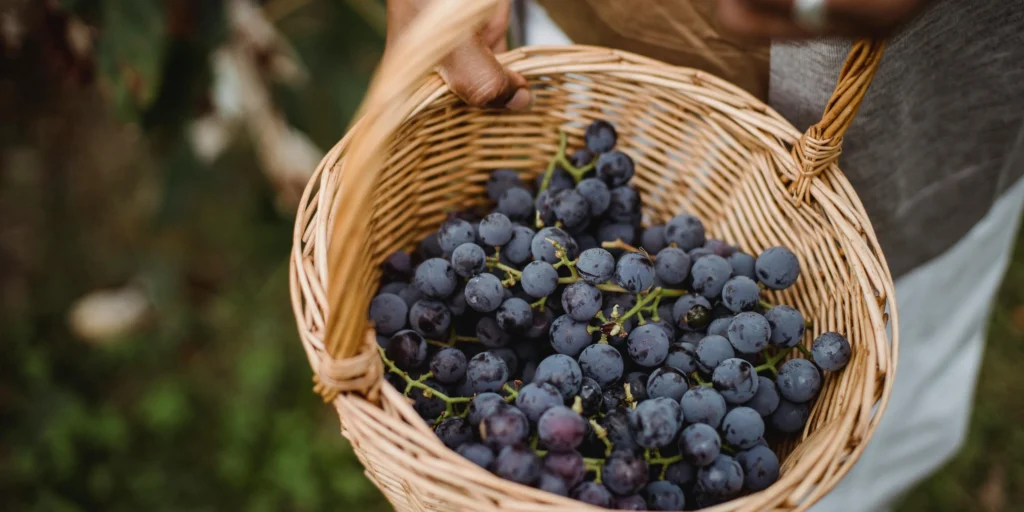
Grape-derived polyphenols have attracted significant attention due to their composition and functional properties. Grape skin extract, in particular, contains a complex matrix of bioactive compounds, including:
- Resveratrol (stilbene polyphenol)
- Anthocyanins
- Flavonols
- Phenolic acids
This composition enables grape skin extract to operate at multiple stages of oxidative stress—both preventing ROS formation and mitigating downstream effects.
Resveratrol and Longevity Pathways
Resveratrol has been extensively studied for its role in modulating longevity-associated pathways. It influences:
- SIRT1 (sirtuin pathway), linked to cellular stress resistance
- AMPK (energy regulation pathway)
- Mitochondrial biogenesis and function
These mechanisms position resveratrol as more than an antioxidant—it acts as a cellular regulator, supporting metabolic and stress-response systems.
From Ingredient to Application: A B2B Perspective
For B2B nutraceutical brands, translating mechanistic science into viable products requires addressing several formulation challenges.
1. Standardization and Consistency
Polyphenol content can vary significantly depending on source and processing. Standardized extracts ensure reproducibility and predictable functional outcomes, which are essential for product development and regulatory compliance.
2. Bioavailability Challenges
One of the most critical considerations for polyphenols is bioavailability. Compounds such as resveratrol undergo rapid metabolism in the liver, resulting in low systemic availability.
Key factors include:
- First-pass metabolism
- Conjugation (glucuronidation and sulfation)
- Limited intestinal absorption
To address these challenges, formulators increasingly rely on:
- Water-dispersible formats
- Encapsulation technologies
- Synergistic ingredient combinations
3. Delivery Format Versatility
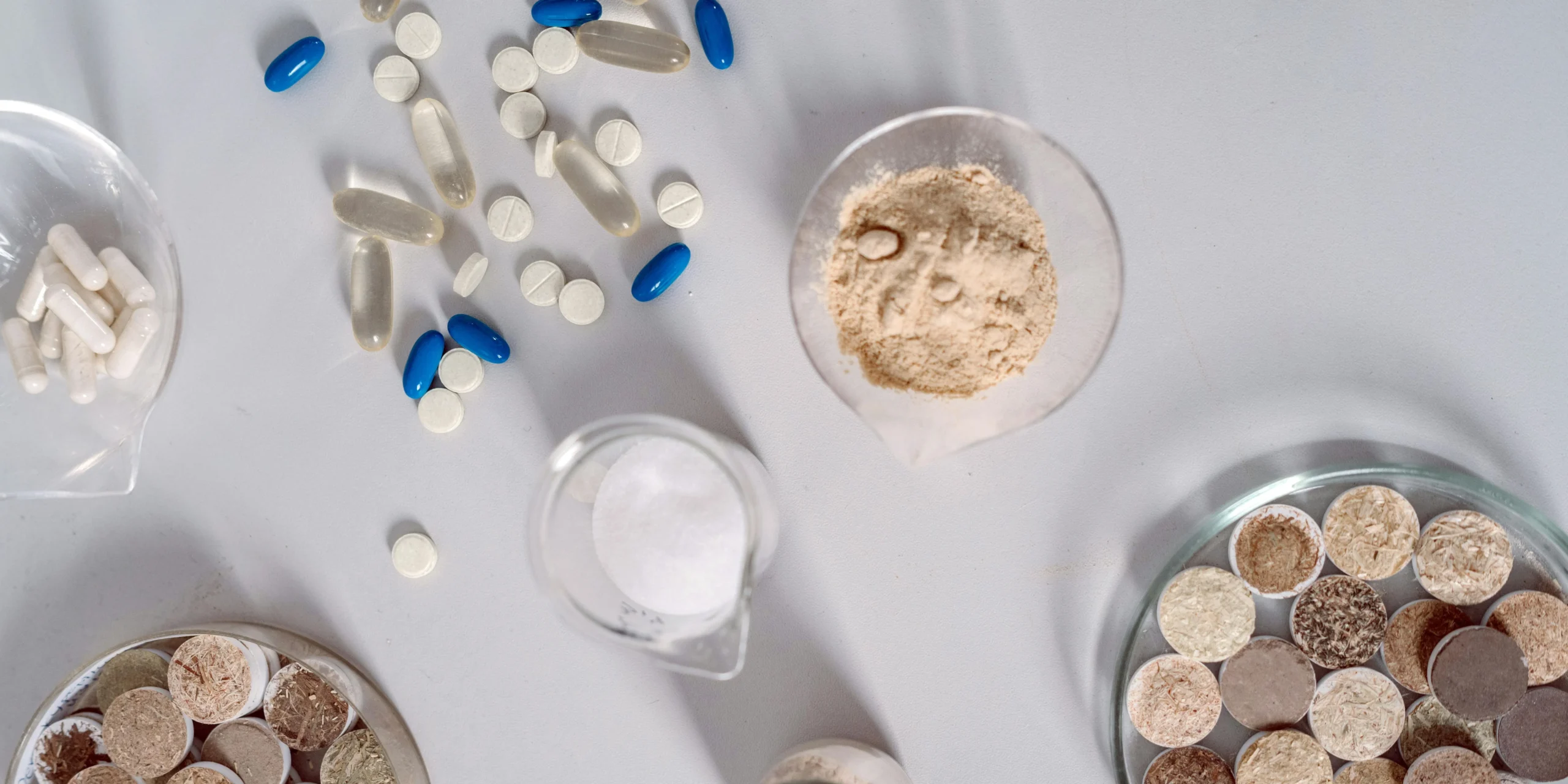
Modern nutraceutical products extend beyond capsules to include:
- Functional beverages
- Powders and sachets
- Effervescent formats
Ingredients that maintain stability and efficacy across these formats provide a competitive advantage in product design.

Positioning Within the Antioxidant Landscape
While grape skin extract offers unique advantages, it exists within a broader ecosystem of antioxidant ingredients.
| Category | Key Strength | Limitation |
| Vitamin C/E | Well-established, EFSA-approved claims | Limited multi-pathway activity |
| CoQ10 | Mitochondrial support | Higher cost, formulation challenges |
| Curcumin | Anti-inflammatory effects | Bioavailability issues |
| Astaxanthin | Potent antioxidant | Narrow mechanism focus |
| Polyphenols | Multi-target, signaling modulation | Variable bioavailability |
From a formulation perspective, polyphenols are rarely used in isolation. Instead, they function as part of synergistic antioxidant systems, enhancing overall efficacy.
Designing EU-Compliant Longevity Formulations
Regulatory alignment is a defining factor in European nutraceutical development. EFSA strictly controls health claims, requiring clear scientific substantiation.
Permitted Positioning Strategies
Rather than anti-aging claims, formulations can be positioned around:
- Protection of cells from oxidative stress
- Support of normal physiological function
- Maintenance of metabolic and cardiovascular health
Challenges with Polyphenols
Despite strong scientific backing, many polyphenols—including resveratrol—lack approved EFSA health claims. This requires careful communication strategies that focus on:
- Mechanistic explanation
- Ingredient quality and standardization
- Role within broader formulations
Formulation Strategy: From Mechanism to Market
To successfully translate oxidative stress science into products, B2B brands must integrate multiple considerations:
1. Synergistic Formulation Design
Combining polyphenols with vitamins, minerals, and other bioactives enhances efficacy and supports regulatory positioning.
2. Bioavailability Optimization
Advanced delivery systems ensure that active compounds reach target tissues.
3. Consumer-Relevant Positioning
Scientific mechanisms must be translated into accessible benefits, such as:
- Energy support
- Vitality
- Cellular protection
Future Directions: Redox Modulation as the Next Frontier
The future of longevity formulations lies in moving beyond antioxidant supplementation toward redox system modulation. This approach focuses on:
- Activating endogenous defense systems
- Enhancing mitochondrial efficiency
- Regulating cellular signaling networks
Polyphenol-rich ingredients are particularly well suited for this transition due to their ability to influence multiple pathways simultaneously.
For B2B brands, this represents a shift from single-ingredient thinking to platform-based innovation, where ingredients serve as building blocks for scalable product concepts.

Strategic Implications for B2B Brands
Incorporating oxidative stress mechanisms into product development provides several advantages:
- Scientific differentiation in a competitive market
- Regulatory alignment with EU requirements
- Flexibility across product formats
- Strong alignment with consumer demand for natural, evidence-based solutions
Ingredients such as grape skin extract illustrate how mechanistic science and formulation practicality can converge, enabling the development of next-generation longevity products.
Conclusion
Oxidative stress remains a cornerstone of aging biology and a critical target for nutraceutical innovation. By understanding its mechanisms—from ROS generation to cellular dysfunction—brands can design formulations that support long-term physiological resilience.
Antioxidants play a central role in this process, but their effectiveness depends on strategic formulation, bioavailability, and regulatory positioning. Polyphenol-rich ingredients, particularly grape-derived compounds, offer a multi-dimensional approach that aligns with modern longevity science.
For European B2B brands, the path forward lies in combining mechanistic insight with formulation expertise, creating products that are not only scientifically credible but also commercially viable in a highly regulated market.
Explore Advanced Longevity Ingredients
As the longevity market continues to evolve, success will depend on combining mechanistic science, regulatory alignment, and formulation expertise. Antioxidant systems—particularly polyphenol-based solutions—offer a strong foundation for developing next-generation products that meet both scientific and commercial demands.
For brands looking to translate oxidative stress science into high-performance formulations, working with the right ingredient partner is essential.
Discover Klee MUS’s portfolio of scientifically supported longevity ingredients and formulation solutions.
Whether you are developing capsules, functional beverages, or innovative delivery formats, Klee MUS provides standardized, application-ready ingredients designed to support differentiation in the European nutraceutical market.
References
Baur, J. A., & Sinclair, D. A. (2006). Therapeutic potential of resveratrol. Nature Reviews Drug Discovery, 5(6), 493–506. https://doi.org/10.1038/nrd2060
Halliwell, B., & Gutteridge, J. M. C. (2015). Free Radicals in Biology and Medicine (5th ed.). Oxford University Press. https://global.oup.com/academic/product/free-radicals-in-biology-and-medicine-9780198717478
López-Otín, C., Blasco, M. A., Partridge, L., Serrano, M., & Kroemer, G. (2013). The hallmarks of aging. Cell, 153(6), 1194–1217. https://doi.org/10.1016/j.cell.2013.05.039
Sies, H. (2017). Oxidative stress: A concept in redox biology and medicine. Redox Biology, 4, 180–183. https://doi.org/10.1016/j.redox.2015.01.002Manach, C., Scalbert, A., Morand, C., Rémésy, C., & Jiménez, L. (2004). Polyphenols: Food sources and bioavailability. The American Journal of Clinical Nutrition, 79(5), 727–747. https://doi.org/10.1093/ajcn/79.5.727