

Resveratrol grape skin extract is a scientifically validated polyphenol ingredient with multi-pathway activity relevant to cardiovascular health, metabolic regulation, antioxidant defense, and longevity-focused formulations. Its mechanisms — including SIRT1 activation, AMPK modulation, Nrf2 stimulation, and NF-κB inhibition — are well documented in peer-reviewed literature.
For nutraceutical brands and manufacturers, the commercial opportunity lies not only in its clinical foundation, but in strategic execution. Key considerations include verified trans-resveratrol standardization, stability management, bioavailability enhancement, and regulatory-aligned dosing.
As preventive health and healthy aging continue to shape global supplement demand, resveratrol offers:
- Strong scientific substantiation
- Cross-category application potential
- High consumer recognition
- Premium positioning opportunities
This article examines the mechanisms, formulation challenges, dosage considerations, and quality control standards that B2B partners should evaluate when integrating resveratrol into next-generation product portfolios.
Introduction: Why Resveratrol Is Gaining Strategic Importance
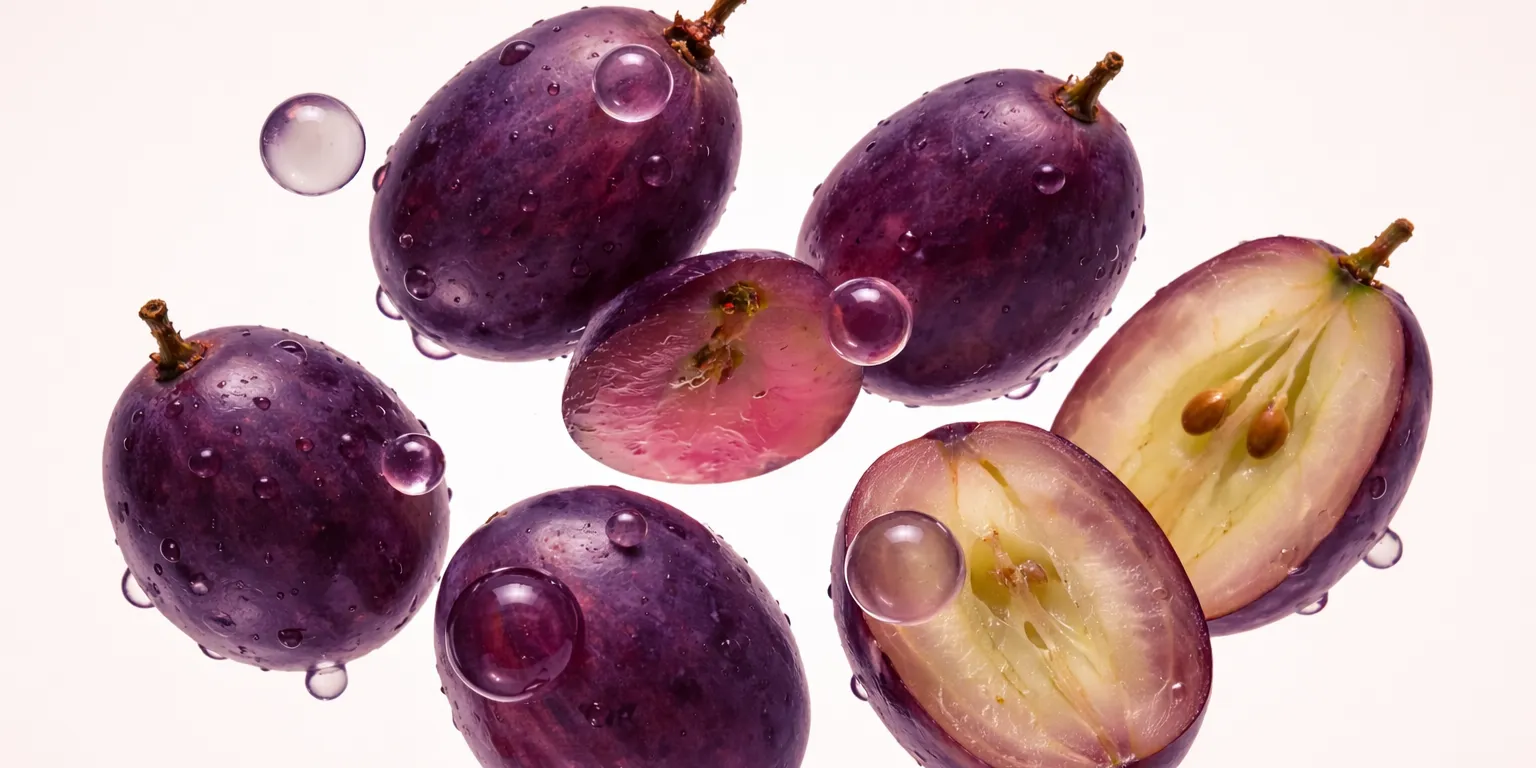
Resveratrol grape skin extract has become one of the most scientifically validated polyphenol ingredients in the nutraceutical industry. Derived naturally from grape skins, this extract provides concentrated trans-resveratrol — the biologically active form responsible for many of the compound’s studied health benefits.
Interest in grape skin extract originally surged following research into the “French Paradox,” which associated moderate red wine consumption with cardiovascular protection. Today, however, the focus has shifted from wine to standardized, clinically aligned grape skin extract used in dietary supplements and functional formulations.
As consumer demand shifts toward preventive health, mitochondrial optimization, and longevity-focused supplementation, resveratrol is increasingly positioned as a cornerstone ingredient for evidence-based product development.
Evidence-Based Benefits of Resveratrol Grape Skin Extract
Cardiovascular Support
Grape skin extract has been extensively studied for cardiovascular applications. Research demonstrates that trans-resveratrol enhances endothelial nitric oxide (NO) production, improves vascular relaxation, and reduces oxidative stress within arterial tissues.
Mechanistically, resveratrol grape skin extract reduces inflammatory signaling and supports endothelial function, both critical factors in atherosclerosis progression. Peer-reviewed studies confirm its role in modulating vascular health pathways.
For brands developing heart health formulations, resveratrol offers both mechanistic credibility and strong consumer recognition.
Antioxidant and Anti-Inflammatory Effects
One of the defining characteristics of resveratrol is its ability to activate the Nrf2 antioxidant pathway. This increases endogenous enzymes such as superoxide dismutase (SOD), catalase, and heme oxygenase-1 (HO-1), protecting cells against oxidative stress.
Simultaneously, resveratrol inhibits NF-κB activation, reducing pro-inflammatory cytokines including TNF-α, IL-6, and IL-1β. This dual antioxidant–anti-inflammatory mechanism strengthens its application in healthy aging and metabolic support formulations.
Longevity and SIRT1 Activation
Resveratrol is widely recognized for activating SIRT1, a NAD⁺-dependent deacetylase linked to longevity pathways. Through SIRT1 activation, resveratrol regulates FOXO transcription factors and PGC-1α, enhancing mitochondrial biogenesis and cellular stress resistance.
These mechanisms support positioning resveratrol grape skin extract in longevity blends, NAD⁺ support products, and mitochondrial health formulations.
Metabolic Health and AMPK Activation
Resveratrol activates AMPK, a key metabolic regulator involved in glucose uptake and lipid oxidation. AMPK activation improves insulin sensitivity and supports energy homeostasis.
Clinical investigations suggest resveratrol supplementation may positively influence metabolic markers, though formulation strategies must address bioavailability challenges to optimize efficacy. For metabolic health brands, resveratrol grape skin extract pairs effectively with berberine, quercetin, or NMN.
How Resveratrol Grape Skin Extract Works at the Molecular Level
Chemically identified as 3,5,4′-trihydroxystilbene, resveratrol exists in both trans and cis forms. High-quality resveratrol prioritizes the trans isomer, which demonstrates superior biological activity.
Key molecular targets include:
- SIRT1 activation → longevity signaling
- AMPK activation → metabolic regulation
- Nrf2 pathway stimulation → antioxidant defense
- NF-κB inhibition → inflammation reduction
- PI3K/Akt and MAPK modulation → cellular stress response
The multi-pathway action of resveratrol explains its broad applicability across cardiovascular, metabolic, neuroprotective, and healthy aging categories.
Stability Challenges in Resveratrol Grape Skin Extract Formulation
Despite its scientific strength, resveratrol presents technical formulation challenges that B2B manufacturers must address.
Chemical Instability
Resveratrol degrades through:
- UV-induced cis–trans isomerization
- Heat exposure
- Alkaline pH environments
Improper storage can significantly reduce trans-resveratrol potency (PMC4427559). For this reason, premium resveratrol grape skin extract suppliers validate light-protected and temperature-controlled stability data.
Bioavailability Limitations
Native resveratrol has low oral bioavailability due to rapid glucuronidation and sulfation. Plasma levels of unmetabolized resveratrol remain limited after standard oral dosing.
Advanced delivery technologies for resveratrol include:
- Microencapsulation
- Liposomal systems
- Cyclodextrin complexes
- Solid lipid nanoparticles
Klee MUS’ resveratrol, Vivina res®, comes in the form of water-dispersible fine powder easily applied to:
- Capsules
- Sachets
- Ampoules
- Drinks
- Liquid shots
Such approaches enhance absorption and extend systemic exposure.
For brands, bioavailability-enhanced grape skin extract can command premium positioning — provided claims are substantiated.
Clinical Dosage Guidelines for Resveratrol Grape Skin Extract
Clinical trials involving resveratrol have used dosages ranging from 20 mg to 5 g per day. Commercially, resveratrol is commonly formulated between 100–500 mg daily.
According to the National Institutes of Health:
- Resveratrol is generally well tolerated.
- Short-term dosing up to 5 g/day demonstrates low toxicity.
- Mild gastrointestinal discomfort is the most common adverse effect at higher doses.
For B2B brands, dose alignment with published research enhances regulatory defensibility and consumer trust.
Standardization and Quality Control of Resveratrol Grape Skin Extract
Not all grape skin extract is equivalent. Standardization and quality control are critical for B2B sourcing.
Best practices include:
- HPLC quantification of trans-resveratrol
- Full polyphenol profiling
- Mass uniformity testing
- LC-MS authentication to prevent adulteration
A study emphasizes the importance of chemical and manufacturing controls in grape polyphenol supplements used in clinical settings. For international markets, documentation supporting purity, solvent testing, and contaminant analysis is essential.

Strategic Applications for Resveratrol Grape Skin Extract
Resveratrol supports multiple high-value categories:
- Cardiovascular supplements
- Longevity and mitochondrial health formulas
- Metabolic health complexes
- Beauty-from-within nutraceuticals
- Advanced antioxidant blends
Its versatility allows integration into single-ingredient SKUs or synergistic multi-compound formulations targeting inflammation, aging, and metabolic resilience.

Why Resveratrol Grape Skin Extract Remains a Strategic Ingredient
For nutraceutical brands developing next-generation formulations, resveratrol offers:
- Strong mechanistic backing in peer-reviewed journals
- Established safety data
- High consumer familiarity
- Clean-label positioning potential
- Compatibility with longevity and NAD⁺ trends
However, competitive advantage depends on:
- Verified trans-resveratrol content
- Stability validation
- Bioavailability-enhanced delivery systems
- Transparent quality documentation
Brands that combine clinically aligned dosing with advanced formulation technologies will differentiate effectively in premium supplement markets.
Conclusion
Resveratrol grape skin extract remains one of the most researched polyphenol ingredients in the nutraceutical sector. Through its effects on SIRT1, AMPK, Nrf2, and NF-κB pathways, resveratrol supports cardiovascular health, metabolic regulation, antioxidant defense, and healthy aging.
While stability and bioavailability challenges require thoughtful formulation, modern delivery systems enable brands to unlock the full potential of grape skin extract.
For science-driven nutraceutical companies, resveratrol is not simply a trending ingredient — it is a strategically validated platform for long-term product innovation.
Partner With Confidence in Resveratrol Grape Skin Extract
As demand accelerates for clinically substantiated, longevity-aligned ingredients, sourcing decisions increasingly define brand credibility. The difference between a standard polyphenol product and a premium, science-driven formulation lies in verified standardization, stability validation, and transparent quality control.
At Klee MUS, we support nutraceutical brands, manufacturers, and distributors with high-quality resveratrol grape skin extract, Vivina res®, backed by technical documentation and responsible sourcing practices.
When evaluating a resveratrol grape skin extract partner, key criteria should include:
- Verified trans-resveratrol content via HPLC
- Documented stability under controlled storage conditions
- Batch-level traceability and quality assurance
- Regulatory-ready specifications for international markets
- Technical support for formulation alignment
Choosing the right ingredient partner is not simply a procurement step — it is a strategic investment in product performance and market trust.
If your team is developing cardiovascular, longevity, metabolic, or antioxidant-focused formulations, we invite you to explore how Klee MUS can support your resveratrol grape skin extract sourcing needs.
For technical specifications, documentation, or partnership discussions, connect with our team here: Klee Mus.
References
Lyu, W., et al. (2021). Chemical, manufacturing, and standardization controls of grape polyphenol dietary supplements in support of a clinical study. Frontiers in Nutrition, 8, 780226. https://doi.org/10.3389/fnut.2021.780226
Ren, Z., et al. (2025). Resveratrol: Molecular mechanisms, health benefits, and potential adverse effects. MedComm, 6(6), e702. https://doi.org/10.1002/mco2.70252
National Center for Biotechnology Information. (2024). Resveratrol. LiverTox. https://www.ncbi.nlm.nih.gov/books/NBK548465/
Walle, T. (2011). Bioavailability of resveratrol. Annals of the New York Academy of Sciences, 1215(1), 9–15. https://doi.org/10.1111/j.1749-6632.2010.05853.x
Stability and degradation data: PMC4427559
Nanoformulation strategies: PMC3060966