

Europe’s nutraceutical market is entering 2026 with momentum driven less by short-term hype and more by long-term structural change. Preventive self-care is now well established across Europe’s supplement market. Aging demographics, cardiometabolic pressures, and transparency expectations are reshaping how consumers evaluate supplements. For brands, the opportunity is no longer just to follow popular categories. It is to connect relevant benefits with compliant claims, credible evidence, and product stories that feel easy to trust.
That matters because supplement use is already mainstream enough to influence portfolio strategy. In the AESGP-EPPA 2025 study, 55% of surveyed consumers purchased supplements, and 62% of users reported daily intake. Overall health, immunity, and energy support were leading motivations.
Why 2025 matters for 2026 strategy
The clearest way to understand 2026 is to look at where consumer demand was already consolidating in 2025. AESGP-EPPA reports top supplement motivations: overall health (63%), immunity (52%), and energy or fatigue support (48%). This suggests 2026 growth will refine existing priorities rather than create entirely new health needs.
For B2B partners, that changes the innovation brief. Growth will likely come from sharper positioning, relevant combinations, and stronger execution rather than simply adding more SKUs. Concepts linking adjacent needs better match European consumer behaviour than single-benefit supplements.
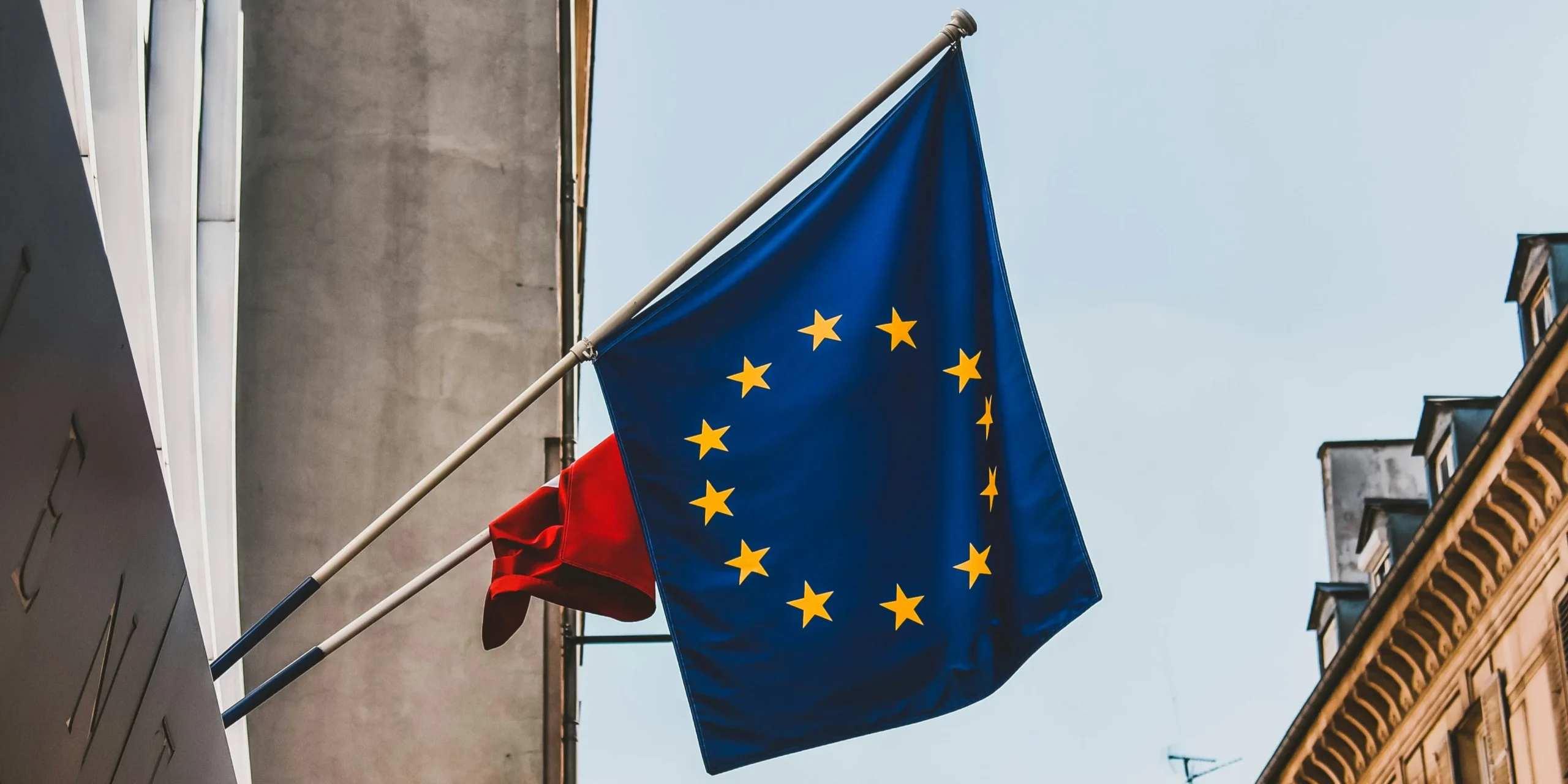
The 2026 outlook for the European supplement market
The European market outlook for 2026 is best framed through durable demand drivers. In 2025, 22% of the EU population was aged 65+, with a median age of 44.9 years. This demographic shift strengthens demand for healthy ageing and daily wellness support.
At the same time, metabolic-health pressure remains substantial. Eurostat reports that 50.6% of people aged 16 and over in the EU were overweight in 2022. Not every successful product needs a weight-management focus. However, demand for metabolic balance, satiety, digestive health, and energy metabolism will likely continue growing.
The third major force is trust. EIT Food research highlights decentralised trust and growing interest in personalised nutrition across Europe. Less than half of consumers know where to find reliable food information. In practical terms, brands entering 2026 will need not just better products, but clearer evidence, simpler communication, and stronger transparency.
Natural-sourced ingredients are part of a broader trust equation
Natural-sourced ingredients will remain commercially important in 2026, but the winning message is unlikely to be “natural” on its own. In Europe, natural-origin positioning now depends on transparency, recognisable ingredients, and clear benefit logic. EIT Food research shows consumers increasingly value clarity in product information.
For nutraceutical brands, that means clean-label thinking should move beyond a marketing badge. A stronger 2026 proposition pairs natural-origin actives with simpler ingredient lists and transparent sourcing. Formulas should also feature clear dosage logic and routine-friendly delivery formats. In B2B terms, “natural” still matters, but “natural and easy to trust” matters more.

Immune health remains a pillar, but the messaging is maturing
Immune health should remain one of the strongest categories in Europe in 2026 because it is already embedded in routine supplement behaviour. In the AESGP-EPPA study, 52% of supplement users cited immunity as a reason for use, making it one of the clearest Europe-backed demand spaces for product planning. This suggests immunity will continue to matter even without the urgency that defined earlier pandemic-driven purchasing patterns.
What is changing is how brands should position it. Broad “defence” language is giving way to more everyday resilience narratives tied to seasonal transitions, recovery, busy schedules, and ongoing wellness maintenance. In Europe, that shift also aligns with the regulatory environment: nutrition and health claims made on foods are governed by Regulation (EC) No 1924/2006, while EFSA evaluates the scientific substantiation of health claims submitted for authorisation. That makes evidence strategy and wording discipline as important as ingredient choice.
Sleep support is growing through the stress and recovery lens
Sleep support is a meaningful opportunity for 2026, but the most credible framing is not that sleep has suddenly become a giant standalone category. A stronger interpretation is that sleep support is gaining relevance through its connection to stress, fatigue, recovery, and daily performance. EU-OSHA’s OSH Pulse 2025 findings show that 37% of EU workers reported overall fatigue, 29% reported stress, depression or anxiety, and 44% cited severe workload pressures. That broader context helps explain why restorative and non-pharmaceutical wellness solutions are gaining attention.
For brands, the implication is clear. Sleep-related concepts are likely to perform better when positioned around better recovery, nighttime routine, next-day clarity, and resilience, rather than around heavy sedation or overtly medicinal language. From a B2B portfolio perspective, sleep also works well as an adjacent category to magnesium-based wellness, stress support, mood balance, and recovery-focused daily routines.
Ingredient innovation is also shifting toward more natural sources of sleep-support compounds. One example is pistachio-derived melatonin, where extracts such as Piacio® obtain melatonin naturally from Pistachia vera. These ingredients aim to support the body’s sleep–wake rhythm through physiologically aligned mechanisms, offering an alternative positioning to synthetic melatonin products in sleep-support formulations.

Healthy aging will outperform exaggerated longevity language
Europe’s demographic structure makes healthy aging one of the most commercially durable nutraceutical themes for 2026. Eurostat’s latest data shows that 22.0% of the EU population was aged 65+ at the start of 2025, while the median age rose to 44.9 years. At the same time, AESGP-EPPA found that 21% of supplement users cited reducing or limiting ageing as a reason for use. That combination supports a strong healthspan narrative for the years ahead.
For European buyers and marketers, though, healthy aging is usually stronger than longevity. It is more practical, more credible, and easier to connect to benefit areas that feel relevant in daily life, such as vitality, cognitive support, mobility, muscle and bone maintenance, and energy metabolism. Brands that frame the category around function and quality of life will be better positioned than those leaning too heavily on futuristic anti-ageing language.
Polyphenol-rich ingredients are also central to many healthy-ageing concepts. Resveratrol, a stilbene polyphenol found in red grape skins, has attracted interest for its antioxidant activity and potential roles in cardiovascular and metabolic health pathways. Ingredients such as Vivina res®, a grape-skin extract standardized to over 20% resveratrol with additional polyphenols, illustrate how formulators are incorporating plant-derived antioxidants into supplements targeting healthy aging and long-term cellular wellness.
Metabolic health is moving closer to the center of the conversation
Metabolic health deserves a central place in any 2026 European nutraceutical forecast because the underlying health burden is already significant. With 50.6% of people aged 16+ in the EU considered overweight in 2022, the market case for metabolic balance, daily energy, appetite awareness, digestive support, and glucose-conscious wellness remains strong.
What is changing is the tone of the category. In 2026, European consumers are more likely to respond to balanced, preventive, lifestyle-compatible positioning than to aggressive “fat burner” rhetoric. For B2B partners, that creates space for concepts built around satiety, metabolic routine support, gut-health-adjacent wellbeing, and broader daily balance. These propositions can also work particularly well when connected with aging, energy, or recovery-led product systems.
Fermented ingredients are also gaining traction as brands look for natural ways to support digestive and metabolic wellness. Powdered kombucha ingredients such as boocharati®, for example, transform traditionally brewed kombucha into a stable powder format suitable for capsules, powders, stick packs, and functional beverages. Produced from organically fermented green tea and spray-dried to retain fermentation-derived bioactives, this type of ingredient allows formulators to integrate kombucha’s antioxidant and gut-supporting heritage into modern supplement formats.

Personalization is rising, but trust and usability will decide adoption
Personalization remains one of the most important strategic themes shaping 2026, but it should be presented as an advancing capability rather than a mass-market certainty. EIT Food’s Consumer Trends Report highlights rising demand for personalised nutrition, while its dedicated report on personalised nutrition describes the category as a young and growing field. That same report also makes the barriers clear: consumers need to trust that their information is handled securely and ethically, and they need to feel the results are worth it.
That is an important lesson for brands. The most effective personalization models in Europe are unlikely to be the most complicated. They are more likely to be the ones that make personalization feel accessible and useful, through goal-based routines, simple onboarding, intelligent segmentation, and digital support that helps consumers act on recommendations instead of just receiving them. In 2026, personalization may increasingly be part of the value proposition, but trust architecture will still be part of the product.
Flexible ingredient formats are also enabling new delivery systems. Fermented ingredients such as kombucha powder can now be incorporated into capsules, effervescent tablets, sachets, or powdered beverages, expanding how digestive and wellness concepts are delivered to consumers.
Regulation, claims, and proof will shape who wins
Europe’s supplement opportunity in 2026 is real, but so is the discipline required to succeed in it. Food supplements in the EU are governed under Directive 2002/46/EC, and the European Commission’s food-supplements page continues to position that framework as the core legal basis. Nutrition and health claims made on foods are governed under Regulation (EC) No 1924/2006, while the EU Register of Nutrition and Health Claims serves as the reference point for authorised and non-authorised claims.
EFSA’s role is especially important for brand strategy because it verifies the scientific substantiation of submitted health claims. That means innovation cannot be separated from compliance planning. In practical terms, the brands best positioned for 2026 will be the ones that build claim awareness, evidence selection, and formulation logic into development from the start, rather than treating substantiation as a late-stage marketing exercise.
What this means for B2B brands in 2026
For ingredient suppliers, manufacturers, private-label partners, and finished-brand teams, the 2026 opportunity is not just about launching into trending categories. It is about building portfolios around how European demand is clustering in reality: preventive health, routine compatibility, healthy ageing, immune resilience, recovery, metabolic balance, and clearer trust signals. That creates space for more modular product platforms, stronger adjacent-benefit concepts, and more disciplined storytelling.
The brands most likely to stand out in 2026 will usually do four things well:
- translate science into simple, everyday outcomes
- align innovation with EU-compliant communication
- use transparent ingredient and sourcing stories to strengthen trust
- design products around routines and consumer goals, not just ingredient trends
Conclusion: from trend-following to trust-led growth
The most important European nutraceutical trend for 2026 may not be a single ingredient or category. It may be the shift from trend-led product development toward trust-led growth. Immunity, sleep support, healthy aging, metabolic health, and natural ingredients remain commercially important in Europe’s supplement market.
Their success increasingly depends on evidence, regulatory compliance, and clear daily-life relevance for both buyers and consumers.
For B2B partners, that is good news. It means the market is not simply rewarding noise or novelty. It rewards businesses that translate consumer insight and scientific discipline into credible wellness products. These products are easier to trust, understand, and integrate into daily health routines. That is where the strongest 2026 opportunities are likely to emerge in Europe.
Planning your 2026 European nutraceutical pipeline? Focus on durable categories like immunity, recovery, healthy aging, metabolic balance, and guided personalization. Build them on strong substantiation, transparency, and routine-friendly positioning. In Europe, the brands that convert interest into long-term growth will be the ones that make trust easier to earn.
References
AESGP & EPPA. (2025). Food supplements in Europe: Market overview and consumer behaviour insights. AESGP.
https://aesgp.eu/content/uploads/2025/11/EPPA_AESGP_FS_market_report_2025.pdf
European Commission. (2025). Population structure and ageing in the EU. Eurostat.
https://ec.europa.eu/eurostat/statistics-explained/index.php/Population_structure_and_ageing
European Commission. (2026). Overweight and obesity – BMI statistics. Eurostat.
https://ec.europa.eu/eurostat/statistics-explained/index.php/Overweight_and_obesity_-_BMI_statistics
European Commission. (2002). Directive 2002/46/EC of the European Parliament and of the Council on the approximation of the laws of the Member States relating to food supplements. EUR-Lex.
https://eur-lex.europa.eu/eli/dir/2002/46/oj
European Commission. (2006). Regulation (EC) No 1924/2006 on nutrition and health claims made on foods. EUR-Lex.
https://eur-lex.europa.eu/eli/reg/2006/1924/oj
European Food Safety Authority (EFSA). (2024). Health claims and scientific substantiation. EFSA.
https://www.efsa.europa.eu/en/topics/topic/health-claims
European Agency for Safety and Health at Work (EU-OSHA). (2025). OSH Pulse survey: Stress, fatigue, and psychosocial risks at work in Europe.
https://osha.europa.eu/en/highlights/climate-risks-1-3-workers-are-exposed-and-raise-concerns-over-health-and-safety-impacts-new-osh-pulse-survey-reveals
EIT Food. (2025). Consumer trends shaping the food system.
https://www.eitfood.eu/reports/consumer-trends-shaping-the-food-system
EIT Food. (2024). Trust report: Consumer trust in the food system.
https://www.eitfood.eu/reports/trust-report
EIT Food. (2024). Unlocking transparency: What do consumers want to know about food?
https://www.eitfood.eu/reports/food-transparency-consumer-insights
EIT Food. (2023). Consumer perceptions of personalised nutrition. https://www.eitfood.eu/reports/consumer-perceptions-on-personalised-nutrition